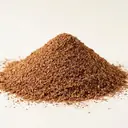
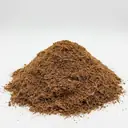
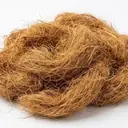
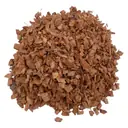
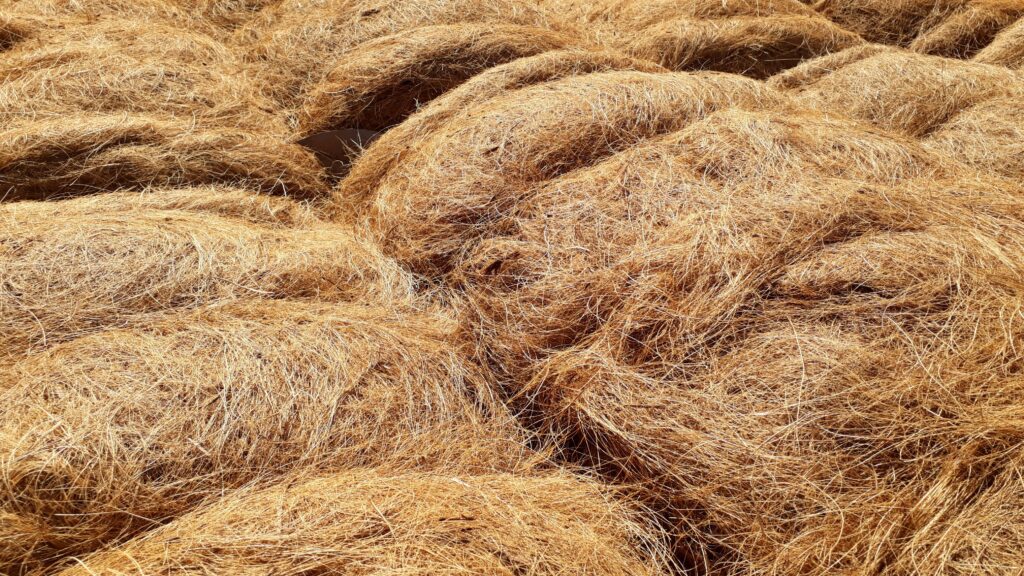
Coir fibre supplier and exporter in Brazil: brown fibre in export bales.
Raw brown coir fibre (coir fiber, coconut fibre) decorticated from mature dry coconut husk in Ceará. Mixed/mattress type, 10–40 cm, not combed. Export bales, floor-loaded, shipped FOB Pecém with a lot report.
In short
- Brown coir fibre, mixed/mattress type. Not bristle, not curled, not twisted.
- From mature dry coconut husk, decorticated mechanically, never retted in brackish water.
- Length 10–40 cm, moisture ≤18 %, impurity limit agreed per contract; lot data on request.
- Export bales, weight confirmed with the quotation, floor-loaded 40' HC, FOB Pecém.
- For erosion-control blankets and coir logs, needle-punched pads and geotextiles, mattress pads, substrates.
- Lot report and QR code on every bale.
Coir fibre specification, parameter by parameter
Values guaranteed or measured on every lot. Where a value depends on the lot or the contract, the table says so. Test methods and documents are on the full specification sheet.
Control per lot
Every lot is tested before dispatch. Lots outside the agreed range are held back. The QR code on each bale opens the lot results.
Who buys this fibre
-
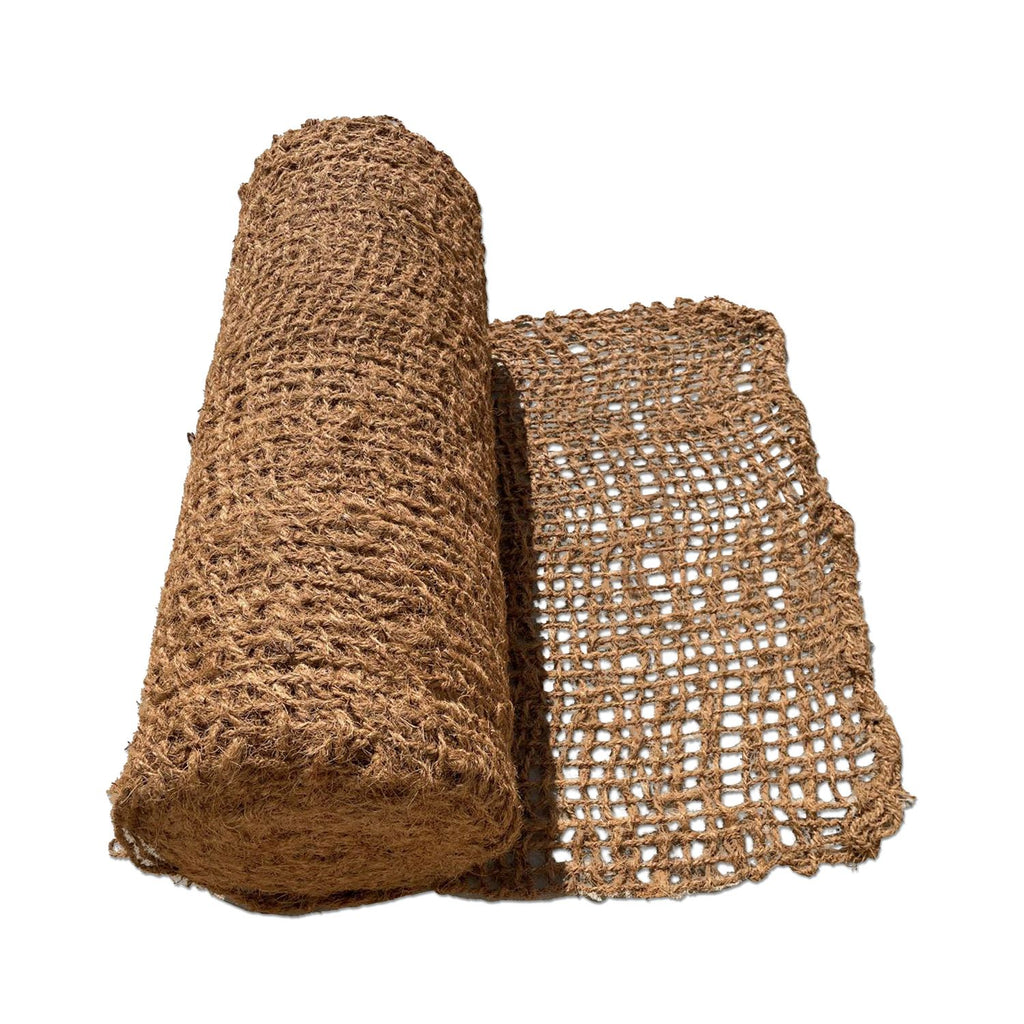
Erosion-control blankets and coir logs
Loose fibre for blanket, log and wattle manufacturers. Natural grade. Fibre for erosion control → Finished logs are also supplied: coir logs →
-
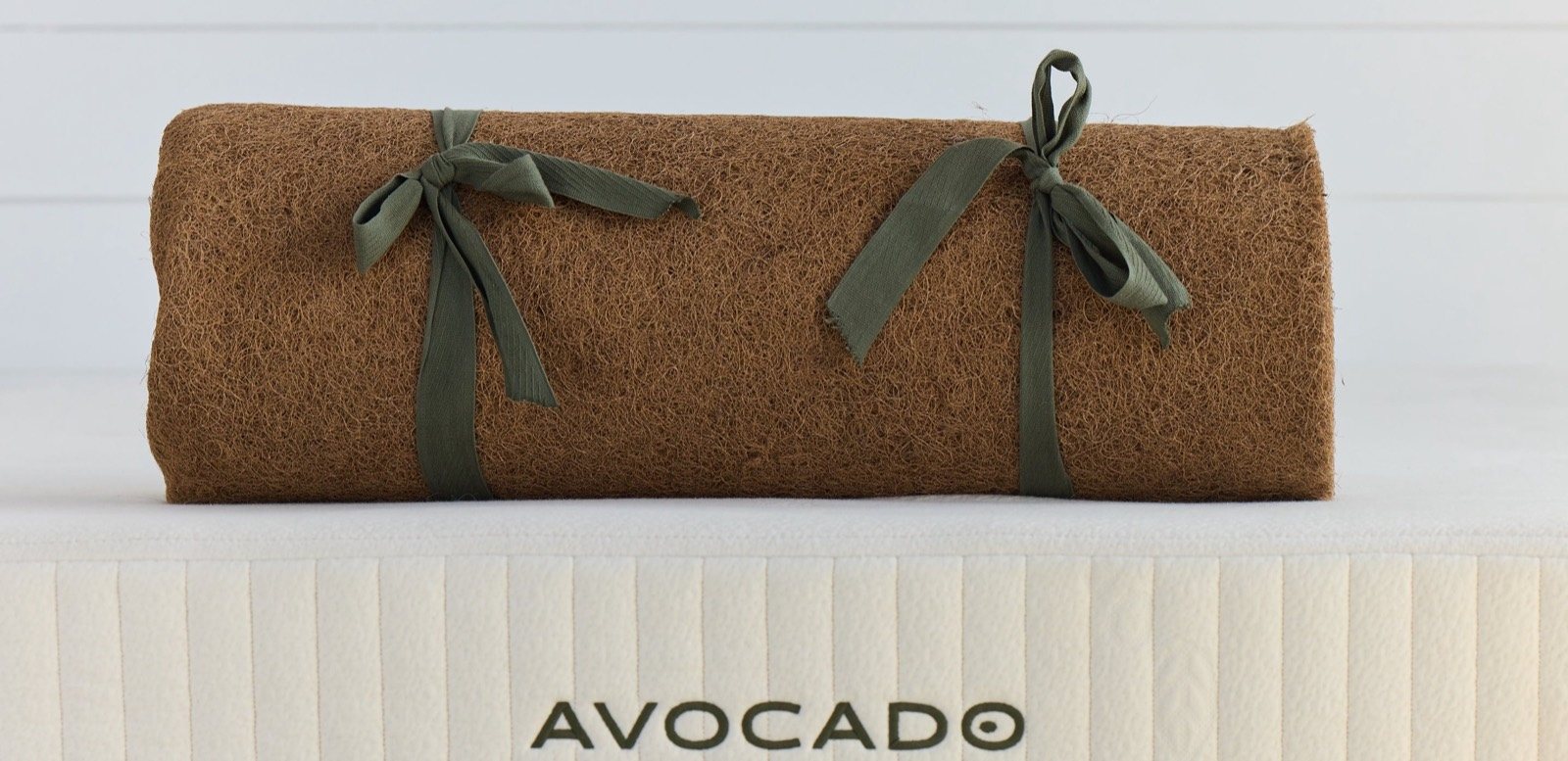
Mattress and upholstery pads
Mattress-type fibre for needle-punched pads and rubberised coir converters. Mattress coir fibre →
-
Geotextiles and composites
Fibre for carding and needling into geotextiles, felts and pressed natural-fibre parts. Geotextile biomats →
-
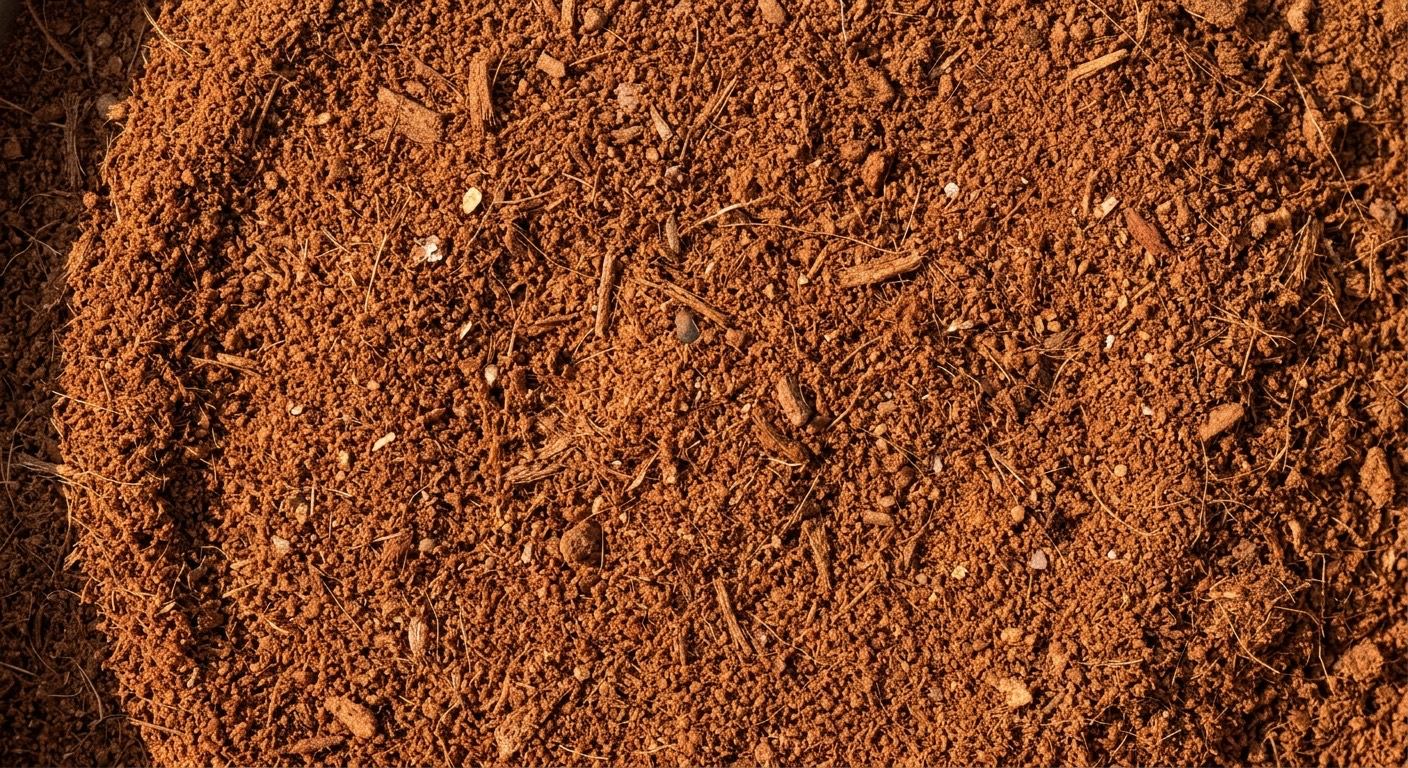
Substrate manufacturers
Aeration component for growing-media blends; Washed or Buffered grade with an EC limit in contract. As a substrate →
Transit times from the Port of Pecém
Port to port, before customs at destination. Pecém is in Ceará, the same state as the plant, with weekly direct services to the US East Coast and Europe.
| Destination port | Transit from Pecém | Status | Source |
|---|---|---|---|
| Newark, US East Coast | 8–9 days | Indicative | Carve US import guide (APM Terminals Pecém; iContainers) |
| Savannah / Miami, US | 10–14 days | Indicative | Carve US import guide |
| Halifax, Canada | Per carrier booking | No published figure | — |
| Montreal, Canada | Per carrier booking | No published figure | — |
| Callao, Peru (via Panama) | 10–14 days | Indicative | Carve Peru import guide (shipping line schedules) |
| Rotterdam, Netherlands | ≈ 2 weeks | Indicative | Carve import page (DatamarNews, FluentCargo) |
| Veracruz / Altamira, Mexico (Gulf) | Per carrier quotation | No published figure | — |
| Manzanillo, Mexico (Pacific, via Panama) | Per carrier quotation | No published figure | — |
| Puerto Limón / Moín, Costa Rica | Per carrier quotation | No published figure | — |
Transit is port to port, before customs at destination. The figures are indicative ranges from carrier schedules summarised in Carve's import guides; the carrier's booking confirms the actual sailing. Where no reliable figure exists, the table says so.
Terms, documents and samples
- Incoterm: FOB Port of Pecém, Ceará, per 40' high-cube container. CFR on request through our forwarder.
- Bales and loading: export bales, floor-loaded without pallets; specification and net tonnes per container confirmed before the quotation.
- Documents: commercial invoice, packing list (bale count, gross and net weight), bill of lading, certificate of origin, lot report.
- Phytosanitary certificate: issued by MAPA, Brazil's Ministry of Agriculture, when the destination requires it or the buyer asks for it. Fumigation certificate when required.
- Samples: loose fibre from a production lot, sent by courier with its lot report. Quantity and courier terms agreed on request.
- Duties: depend on the destination and change with trade policy; check the current rate for HS 5305 of Brazilian origin with your customs broker.
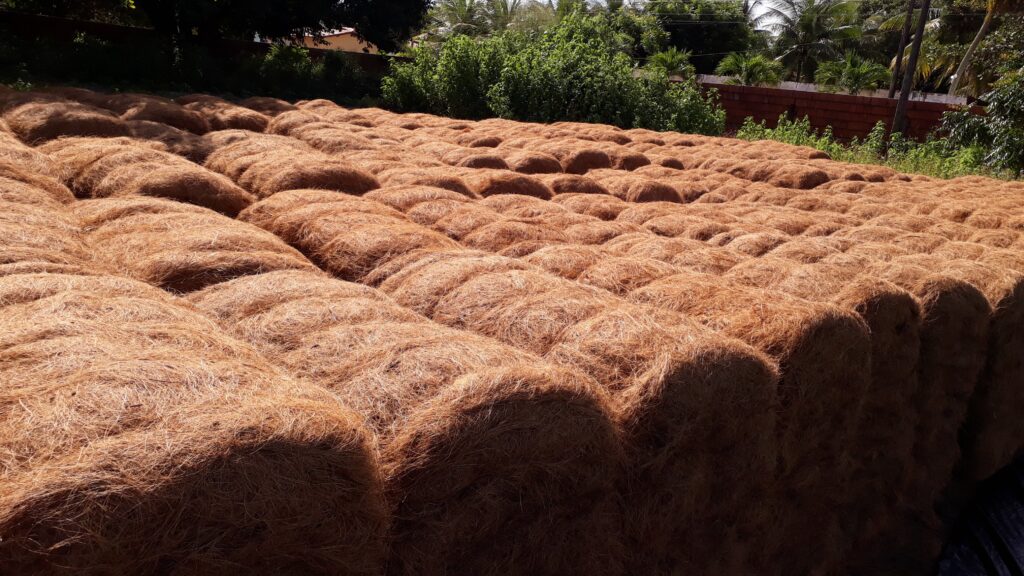
Coir fibre as a substrate
For growers and substrate manufacturers: the fibre is the aeration fraction of the line, with water holding of about 300 ml/L and total porosity above 94 %. See also all applications.
-
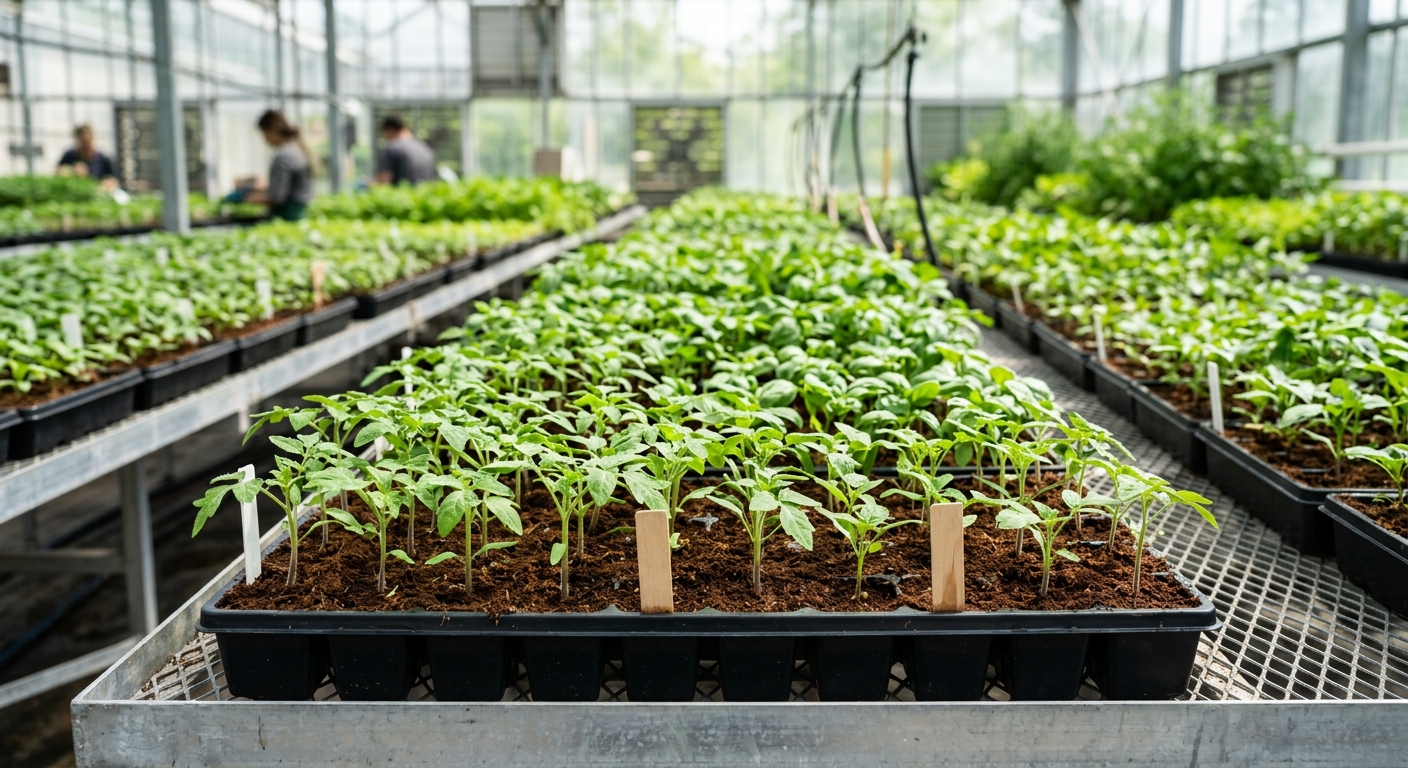
Ornamentals and nurseries
Structural substrate for potted ornamentals, seedlings and nurseries. The main horticultural segment for coir fiber in Brazil.
-
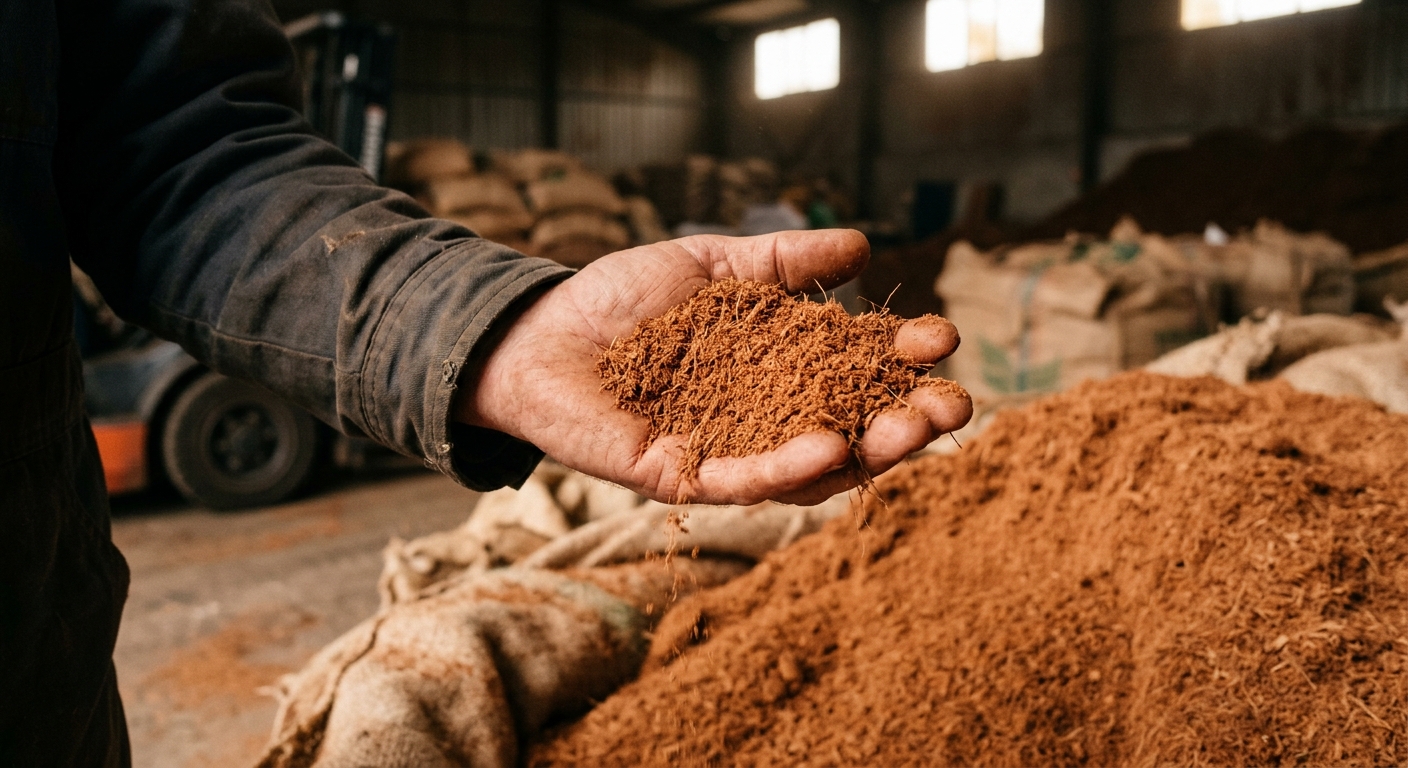
Structural substrates
Aeration component in substrate formulations. Raw material for substrate manufacturers.
-
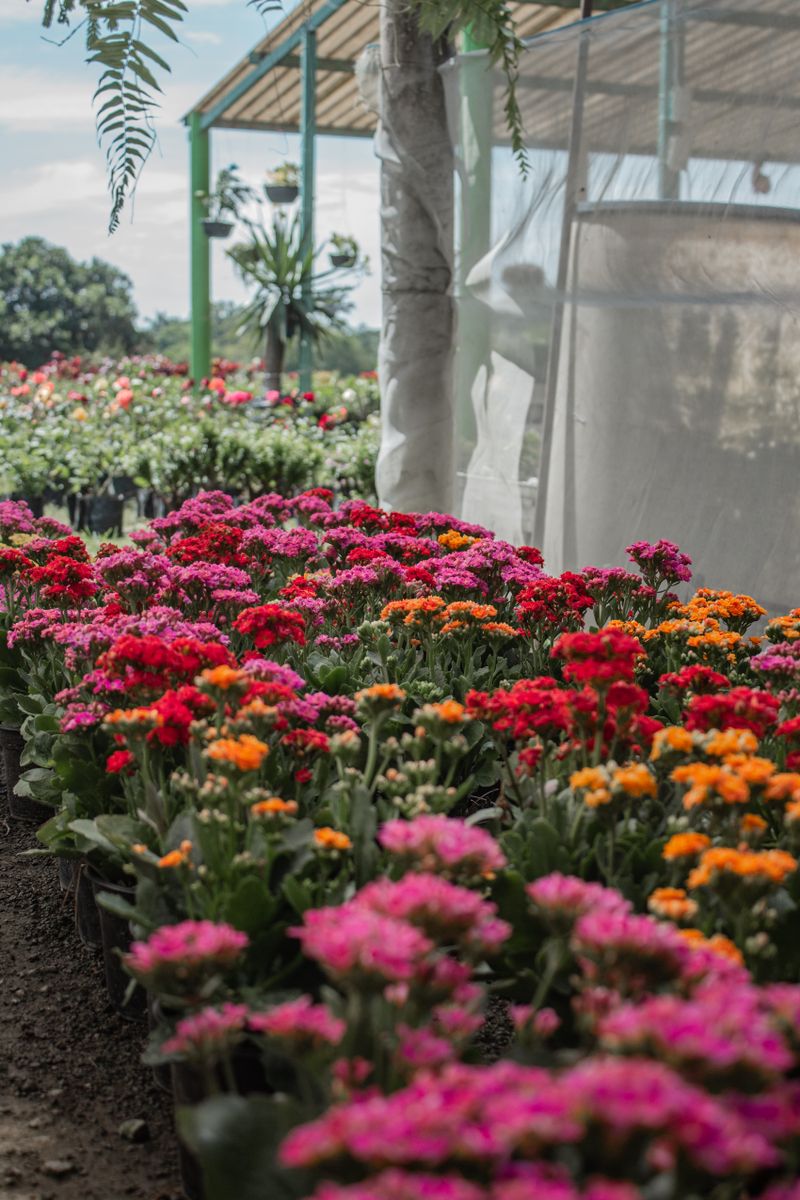
Landscaping and mulch
Loose fiber for covering beds and large containers, retaining moisture and protecting the soil.
-
Substrate manufacturers
Screened, uniform fiber for in-house substrate blends, in volume and specification under contract.
Natural, Washed or Buffered
The grade is defined by the process and fixed in the contract. EC is measured on every lot whichever grade is chosen.
- Natural No washing, no additives. For erosion-control blankets and logs, geotextiles, mattress pads, composites and mulch, where EC does not matter.
- Washed Freshwater cycles reduce EC. For ornamentals, nursery substrates and formulations with an EC limit.
- Buffered Washed, then treated with calcium to displace potassium from exchange sites. For sensitive crops and growing-media formulators.
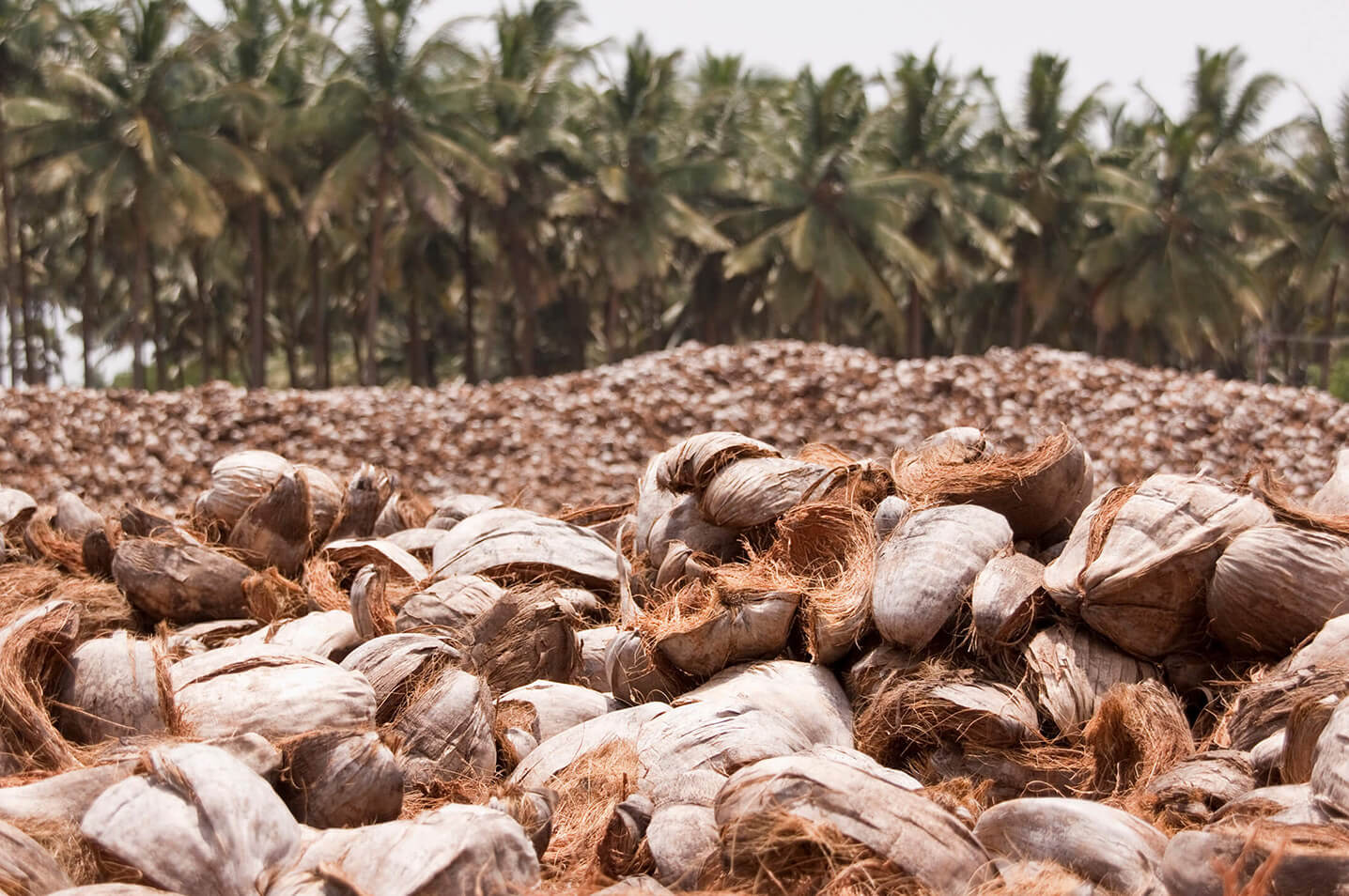
Origin: dry coconut husk, Brazil.
Mechanical separation on a rotary screen removes the pith and leaves only the structural fiber. The fibre comes out as loose brown mixed fibre, uncombed. Dry mature husk from irrigated groves, never retted in brackish water; EC measured per lot.
Application by use
Each guide covers specification, dosage and technical sources for Carve coir fiber.
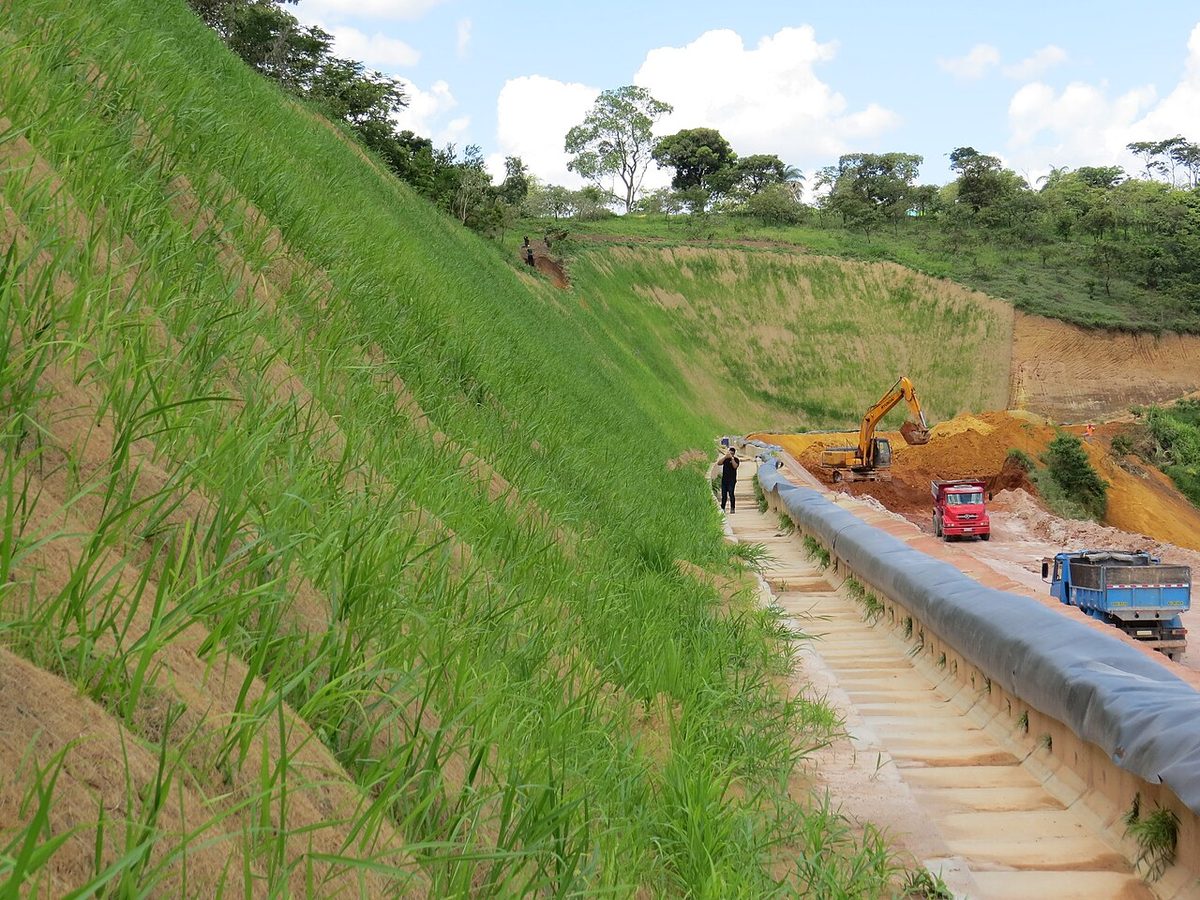
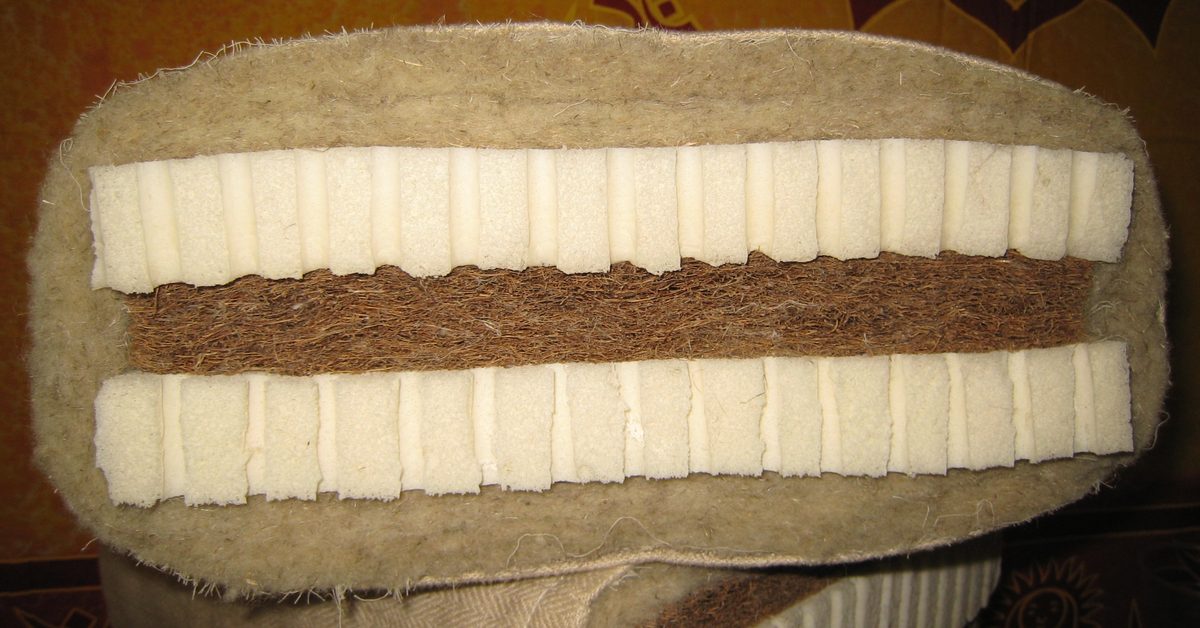
Products made from the same fibre: coir logs (20, 30 and 40 cm diameter, to project specification) and coir horse bedding (pressed 25 kg bags).
Data and market pages
Frequently asked questions
What grade of coir fibre does Carve supply?
Brown coir fibre of the mixed/mattress type: decorticated from mature dry coconut husk, 10 to 40 cm, loose and not combed, in pressed bales. It is not bristle fibre and it is not curled or twisted.
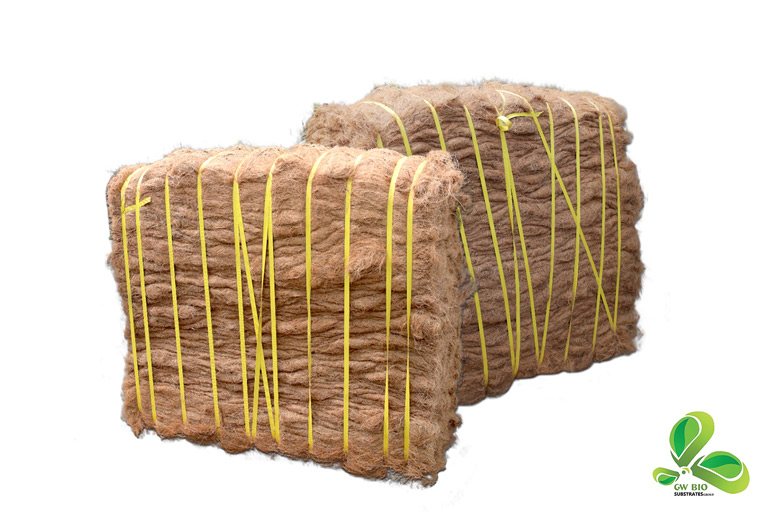
How are the export bales packed?
Export bales weigh 100 to 130 kg and are floor-loaded in a 40' high-cube container without pallets. The full bale specification and the net tonnes per container are confirmed before the quotation.
What is the moisture and impurity content?
Moisture is at most 18 %, measured on every lot. The impurity (pith and dust) limit is agreed per contract; lot data on request.
Which Incoterm and documents?
FOB Port of Pecém, Ceará; CFR on request. Commercial invoice, packing list, bill of lading, certificate of origin and lot report; phytosanitary certificate issued by MAPA when the destination requires it or the buyer asks for it.
Can I get a sample?
Yes. Loose fibre from a production lot is sent by courier with its lot report. Tell us the destination, the intended use and the monthly volume.
Is the fibre washed?
Industrial buyers usually take the Natural grade, because salt content does not matter in blankets, logs or pads. Washed and Buffered grades are also available for growing-media uses, and the EC limit is fixed in the contract.
Sources: Carve data sheet and quality procedure · APM Terminals Pecém (transit) · MAPA (phytosanitary certification) · EMBRAPA COT-226-19.
Buying coir fibre? Ask for the export bale specification.
Send the intended use, the monthly volume and the destination port. We reply with the bale specification, an example lot report and an FOB Pecém offer.